Finance leaders’ key role in driving digital transformation
Key takeaways from this blog
Understanding users’ needs is key to convincing them to adopt new technology
Expertise still counts: position AI tools as enhancing work, not replacing it
Finance leaders can influence the direction of major change initiatives
CFOs can set realistic expectations with boards and senior leadership
Finance leaders play a pivotal role in digital transformation projects because they sit between the teams that will use the technology and the leadership that makes decisions and allocate budgets. They can also communicate upwards to the board and set expectations for the outcomes.
Nigel Bell has seen this from both sides as the CFO of Centric Health, which is one of Ireland’s largest primary healthcare providers. It’s building a shared services model for healthcare, covering IT, finance, and HR. As part of this, it wants to encourage doctors and practitioners to use technology to help write up their notes. Doing this can save upwards of 1.5 hours in the working day, Nigel said.
Winning over the audience
However, the challenge is that Centric’s target audience are not comfortable with technology, which is why Nigel advised small steps. It’s important to show doctors “quick wins” to earn their trust in technology more widely, and gain support for the project throughout the organisation, he said.
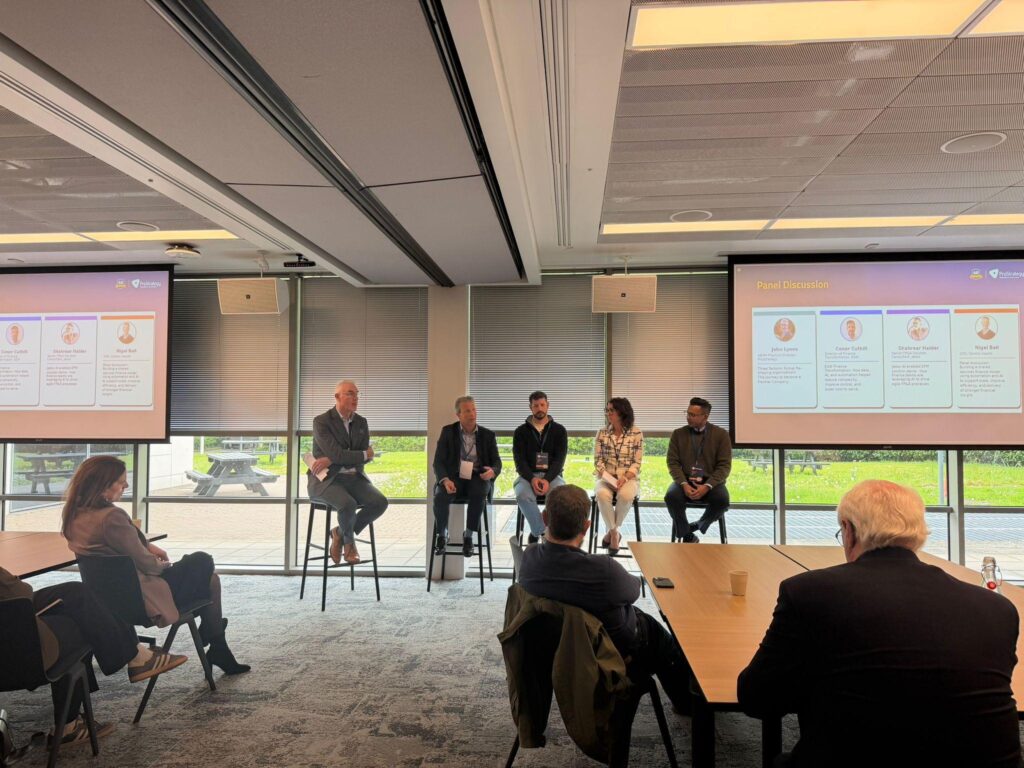
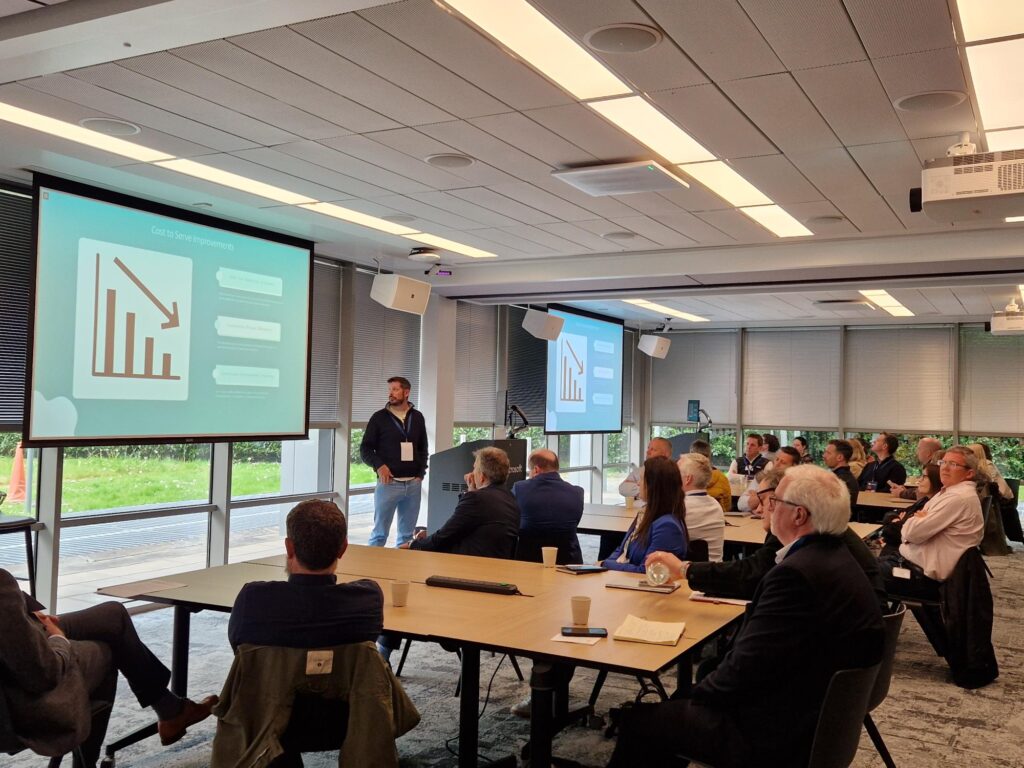
Nigel was speaking at Future Fit Finance, ProStrategy’s event for finance leaders, which took place at Microsoft’s Dublin offices recently. He explained how using data can provide good healthcare outcomes without patients needing to see doctors face to face, which reduces pressure on the public healthcare system.
By educating and bringing people with you with really small steps, you show the wins that are there and how you can make the work life of a doctor better.
Continuing with this theme, Shahrear Haider, Senior FP&A Solution Consultant with Jedox, talked about how finance teams are using Jedox to help them with planning, forecasting, and reporting. He reassured the audience that people don’t need to be experts to work with these tools; often the AI will present multiple methods or algorithms and help them in their work. The visual interface makes it easy to create reports and dashboards.
The idea is, we want to empower the users. So we don’t want someone very technical like a data scientist to do this sort of process.
AI legwork and human experience
He said AI used in this way can support the work of finance teams, and isn’t intended to replace it. “In practice, what we are seeing is how our customers are actually using a capability like AI to start and get the base level assumptions at first. But at the end of the day, the customers are the people who have better understanding of their business.
They want AI to do the legwork and then they are doing the remaining part using their experience, they’re making those adjustments.
John Lyons, ProStrategy’s Practice Director for Analytics & EPM, referred to the concept of ‘frontier transformation’ where some firms are moving from basic digital adoption to reinventing their organisations with AI. This term was coined in 2025 by Microsoft together with the research group IDC.
They call the businesses leading this movement as ‘frontier firms’ and said those organisations are realising three times higher returns than slower adopters. This approach posits a new operating model where human workers tap into ‘intelligence on tap’, where they’re able to delegate certain tasks to AI tools, which enhances their own productivity.
Setting expectations at board level
As well as empowering people to work more effectively, the other side of making digital transformation projects a success is managing upstream. Nigel Bell pointed out that when technology champions speak to boards about AI and technological improvements, senior leaders “get excited and expect to see ‘Big Bang’ big project results… So managing upwards is really important,” he said.
Once again, that’s where finance leaders have a significant part to play. “It goes back to communication: be on the front foot with the board. Go to them say ‘here is our roadmap, that’s what we’re going to do’.” Nigel also countered the popular narrative that AI is just about cutting costs. “Actually, for us, there was very little cost saving. What we were doing was making the doctor’s life a bit easier. So we’re reducing the churn and also we were then enabling ourselves to take on more European work into Dublin.
The [board] view that they have, that you’re going to cut costs, you need to dispel that quickly.
How AI enables business growth, not cost-cutting
Centric Health’s growth is proof that the ‘AI as business enabler’ story is powerful and effective. The company now employs more than 1,000 people in Ireland, and has partnerships with more than 80 primary care practices in Ireland, together with over 25 in Germany and more than 10 in the Netherlands.
Nigel concluded by emphasising the role of finance leaders in steering and influencing digital transformation projects. “At the C-level and senior leadership, it was to make sure we had alignment. As finance, as we furthered our journey, we got to a point where we were moving into an influencing capacity as opposed to a delivering capacity… there was a point in our journey that you actually needed business evolution as opposed to just finance function evolution. And we’re going on that journey together now.”
After we demonstrated the value of what we could achieve within finance, our role became helping influence the wider enterprise piece – making sure this was approached as a company solution, not just a band-aid within finance.
Share:
URL Copied
Be the first to know
Get access to our webinars, whitepapers and case studies. You'll be notified when they are ready to freely view and download: